

Trees and oysters are among the best natural filters for improving Chesapeake Bay water quality. On Saturday, Nov. 9, 2019 they’ll be featured at one site in St. Mary’s County.
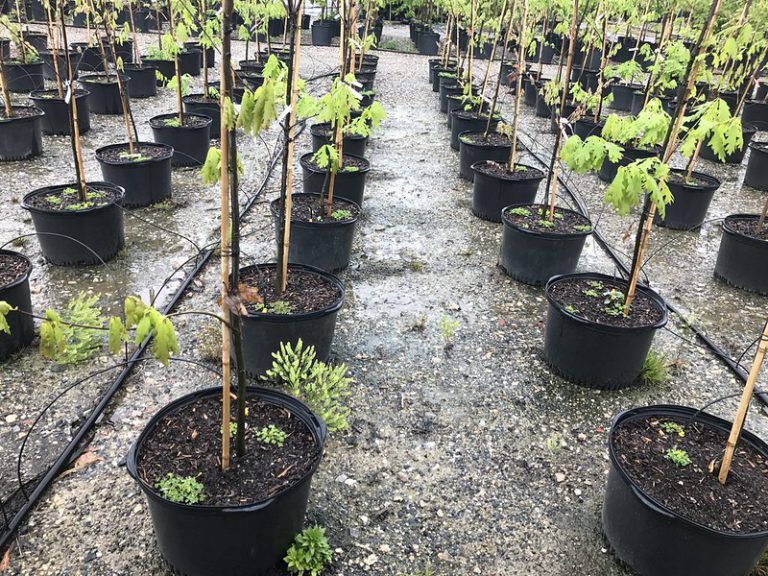
Chesapeake Bay Foundation (CBF) staff and volunteers will be planting more than 1,000 trees and shrubs at Tranquility Farm which is also home to the Hollywood Oyster Co. in the Patuxent River watershed.
The planting will take place from 9 a.m. to 1 p.m. at the oyster aquaculture facility’s property. The event is family-friendly and anyone interested in volunteering to assist with the planting can register on CBF’s website to get more details.
“Trees and other vegetation filter pollutants from runoff and they play an important role in regulating the water cycle,” said Rob Schnabel, CBF’s Maryland Watershed Restoration Scientist. “Forest soils act as a sponge and increases the ability of topsoil to hold more water. This process enables water to be stored during flood events and makes water available during times of drought. With this planting, we’ll be combining two important Bay filters at one site—trees and oysters.”
After the tree planting, volunteers will get a tour of Hollywood Oyster Co. The company plants and raises oysters in the Patuxent and Hogs Neck Creek before selling them to restaurants, seafood shops, and other customers.
Oyster aquaculture is a growing industry in Maryland. In 2017 the state’s oyster farms produced more than 70,000 bushels of oysters compared to less than 10,000 bushels in 2012. An adult oyster can filter up to 50 gallons of water per day, but the Bay’s oyster population has been in decline due to overharvesting and disease over the past 200 years. Oyster aquaculture provides a market-driven method to sustainably grow and harvest oysters.
The trees being planted at the Nov. 9 event were raised at CBF’s Clagett Farm in Prince George’s County. The mix of native trees and shrubs such as American sycamores, tulip poplars and mixed oaks were selected because they thrive in Maryland. The new vegetation will also increase habitat for St. Mary’s County wildlife.
For more information about the planting contact David Tana at dtana@cbf.org or 443-482-256.